









Ilhan Omar
 03.05.2026
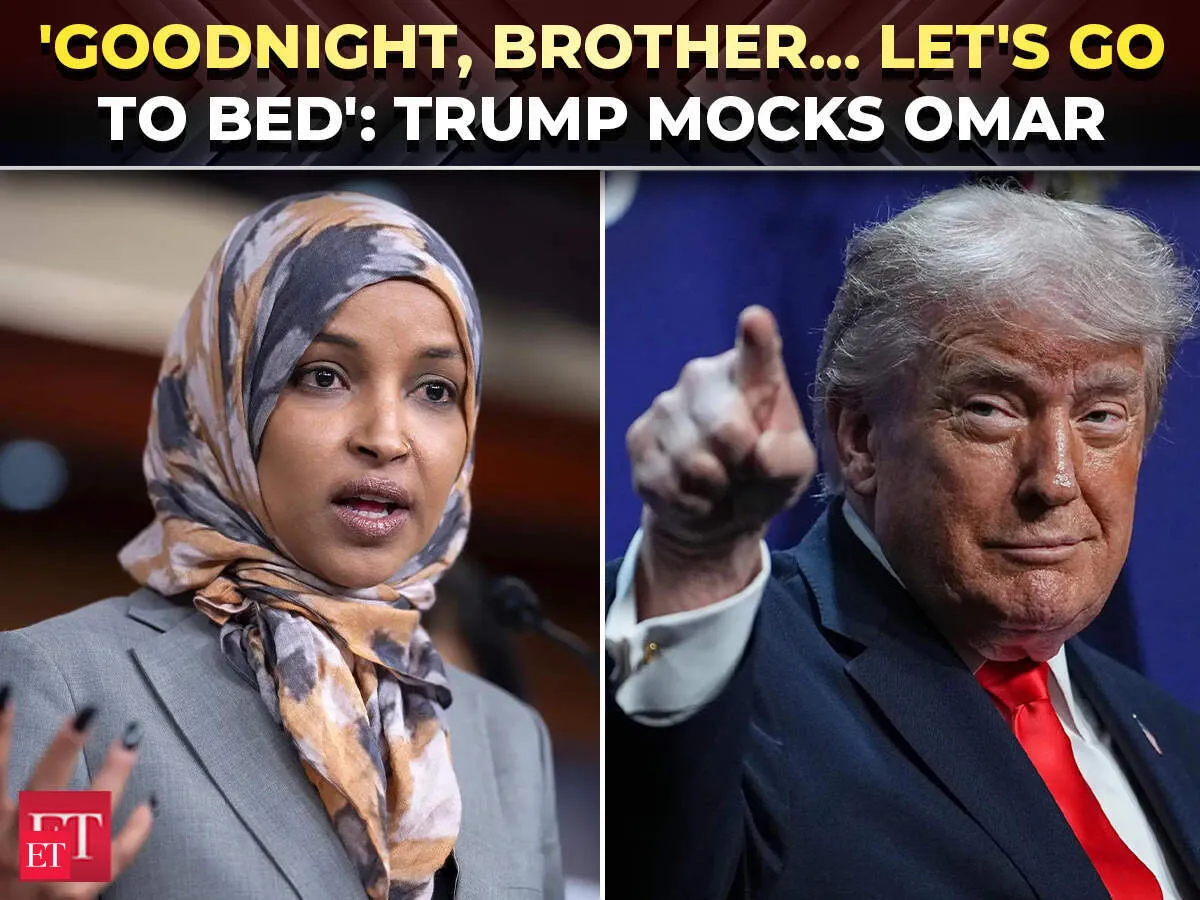
Donald Trump called Ilhan Omar a ‘phony’ during a recent rally in Florida. He claimed that she married her brother, labeling it ‘totally illegal’. This statement has reignited the ongoing controversy surrounding Omar and her representation in the U.S. Congress.
Before this incident, Omar was already a polarizing figure in American politics. As one of the first Muslims elected to Congress, she has faced scrutiny for her views on immigration and representation. Trump’s comments have now intensified the political rhetoric surrounding her.
Trump’s remarks had immediate effects. They drew sharp criticism from various quarters, including Omar herself. She responded by attacking Trump’s character, referencing his legal troubles and stating that his comments were an ‘unhinged rant’.
Omar was born in Somalia and immigrated to the United States as a teenager. Her journey is emblematic of the immigrant experience in America, which often involves navigating prejudice and misunderstanding. Yet, her position in Congress has made her a target for political attacks.
Key reactions to Trump’s remarks:
- Trump described Somalia as a ‘filthy’, ‘dirty’, and ‘disgusting’ place.
- Omar criticized Trump for having ’34 felony convictions’.
- Rumors about Omar marrying her brother began circulating in 2016.
The immigration debate continues to be a contentious issue in U.S. politics. Trump’s comments reflect broader attitudes toward immigrants and their contributions to society. The fallout from this incident may further polarize discussions around Muslim representation in government.
As the controversy unfolds, political analysts will likely examine how Trump’s rhetoric affects voter sentiment ahead of upcoming elections. The implications for both Trump and Omar could extend beyond this single incident.

David Miller
David covers technology, science, and innovation from around the world.