







Thailand: Footballer killed, 12 injured by lightning strike during match
 06.08.2026
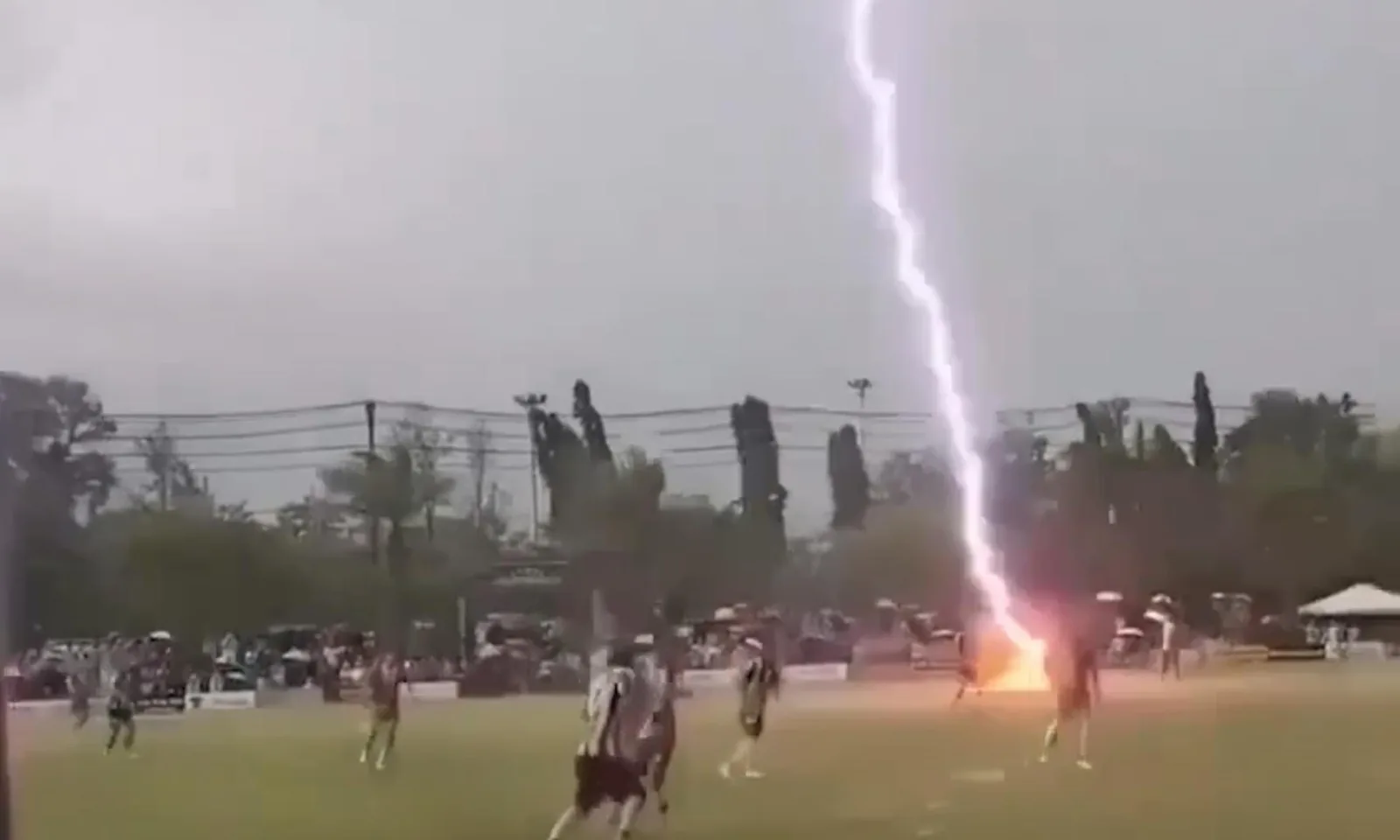
A regional cup match in southern Thailand on August 4 saw a lightning strike at Santiphap Stadium in Sungai Golok, resulting in the death of a 24-year-old winger and injuries to 12 others. The player, Safwan Awae, had recently signed with Thai League 3 side Yala FC just six days prior to the incident. The match was immediately abandoned following the strike.
The incident has brought renewed attention to the rules governing football matches during thunderstorms and their enforcement. While FIFA endorses the 30-30 rule as a framework for football associations globally, its consistent application remains a challenge, particularly in lower-level matches.
The 30-30 Rule and Match Suspensions
The 30-30 rule dictates that if thunder is heard within 30 seconds of a lightning flash, indicating the storm is approximately six miles or closer, play must be suspended immediately. All individuals are required to leave the pitch without exception. Once a suspension is initiated, a mandatory 30-minute countdown begins. However, if another lightning strike occurs during this waiting period, the clock resets to zero.
This resetting mechanism means that a persistent storm can significantly prolong a match delay, potentially holding play hostage for hours. An example of this occurred during the 2026 FIFA World Cup in North America, where France’s group-stage match against Iraq in Philadelphia was delayed for nearly two hours. Similarly, Mexico’s last-32 clash against Ecuador at the Azteca Stadium started an hour late due to the same reason.
It is notable that FIFA itself does not formulate these lightning rules. During the 2026 World Cup, the protocols were derived from the United States’ National Oceanic and Atmospheric Administration (NOAA), which FIFA was obliged to follow on American soil. Any lightning detected within eight miles of a stadium automatically triggered a halt, with FIFA having no authority to override this.
Impact on Players and Fans During Delays
When a match is suspended due to lightning, players and coaching staff return to the dressing rooms. Fans are directed from open stands to covered concourses and instructed to await an all-clear signal. In stadiums without roofs, both the pitch and all seating areas must be completely evacuated.
The delays can be mentally and physically taxing for players. Kylian Mbappe described the France-Iraq delay as a "very long evening," noting the difficulty of maintaining focus and engagement in the dressing room for an hour and a half to two hours. France manager Didier Deschamps, however, joked that his squad "played cards" during their wait.
Physically, players who are warmed up and match-ready can experience stiffness during extended breaks. During the Chelsea-Benfica delay at the 2025 FIFA Club World Cup, which lasted four hours and 38 minutes from kickoff to final whistle, both teams’ players used exercise bikes and passed balls in the changing room to stay loose. This match stands as a significant example of how the lightning rule can impact a game’s structure, rhythm, and outcome.
Past Tragedies and Safety Gaps
Safwan Awae’s death is not an isolated incident. In February 2024, Indonesian player Septian Raharja was killed by lightning during a friendly match. In December 2023, Brazilian player Caio Henrique De Lima Goncalves died during a cup match, and in November 2024, Peruvian defender Jose Hugo de la Cruz Meza was struck and killed while leaving a pitch during heavy rain.
Awae’s death is particularly poignant given its timing; he had signed for Yala FC on July 29, just six days before his passing. He had previously scored seven goals in 18 appearances for Pattani FC, helping them achieve promotion to Thai League 2. The Golok FA Cup match on August 4 became his last.
The Football Association of Thailand issued a statement mourning his death, and Yala FC posted a tribute on social media. These repeated fatalities, especially in lower-level matches where lightning detection systems, evacuation plans, and formal protocols are often absent, highlight a significant disparity in safety frameworks between elite football and amateur or semi-professional leagues. While NOAA technology monitors skies at the World Cup, such systems were not in place at the regional cup in Narathiwat where Awae died.
The 30-minute lightning rule exists precisely for safety reasons, and the tragedy in Thailand underscores the consequences when it is not applied.
Source: timesofindia.indiatimes.com

Ishaan Kapoor
Sports correspondent covering cricket, football and international competitions.