









FIFA faces opposition over World Cup expansion and investment plans
 31.07.2026
Confederations reject investment proposal
FIFA is encountering significant opposition from major football confederations regarding its proposed investment plan for the World Cup. The plan involves establishing FIFA Forward Enterprise (FFE), a commercial subsidiary that would sell a minority stake in the governing body’s commercial rights to private investors. UEFA, Concacaf, and the Asian Football Confederation (AFC) have all publicly rejected this proposal.
UEFA, representing 55 member associations, unanimously declared that its national teams would not participate in FIFA competitions as long as the investment proposals remain active. This boycott threat extends to both men’s and women’s World Cups. UEFA stated that the World Cup should not be treated as an investment product and that no part of its legacy should be surrendered to private investors.
The implications of UEFA’s stance are particularly significant for the 2030 World Cup, which is primarily scheduled to be hosted by Spain, Portugal, and Morocco. If UEFA follows through with its boycott, Spain and Portugal could potentially be absent from the tournament despite being co-hosts. This would mark an unprecedented situation in World Cup history.
Concacaf and the AFC have also expressed their opposition. The AFC president, Sheikh Salman bin Ibrahim Al Khalifa, has previously warned against further expansion plans, suggesting they could lead to “chaos.” Concacaf president Victor Montagliani has also questioned the benefits of such a move for the broader football ecosystem.
The Confederation of African Football (CAF) and CONMEBOL, South America’s governing body, have not yet taken formal positions on the investment proposal. Morocco, a principal host for the 2030 World Cup, has also not publicly stated its support or opposition to the creation of FIFA Forward Enterprise.
Expansion plans add further complexity
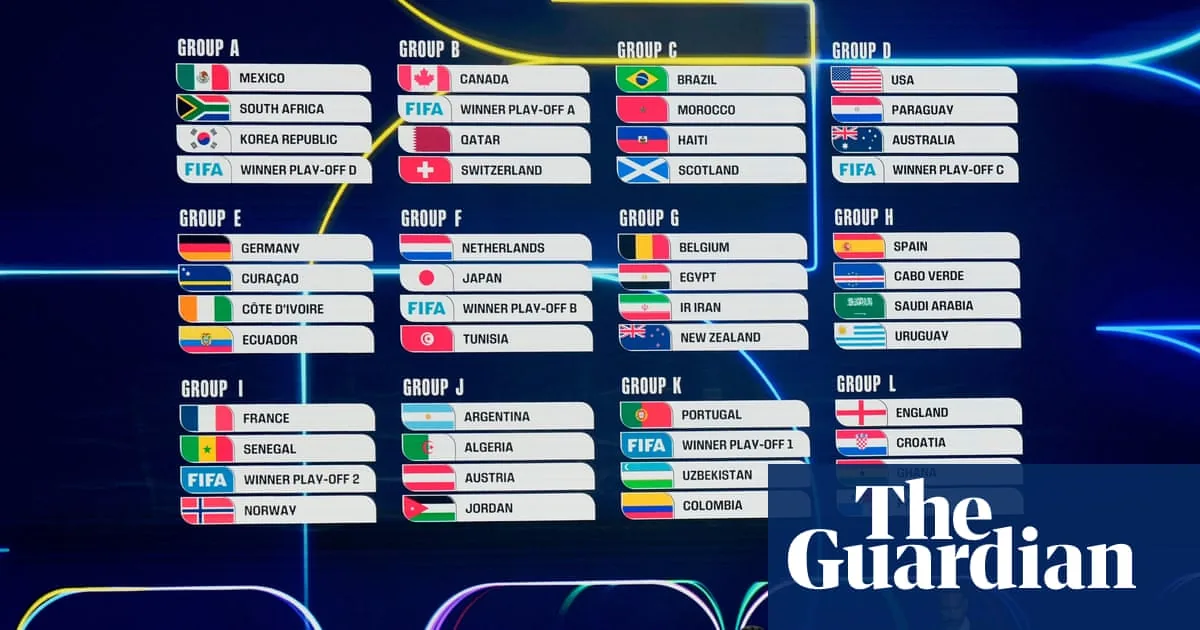
In addition to the investment proposal, FIFA is also accelerating plans to expand the World Cup from 48 to 64 teams starting from the 2030 tournament. This potential expansion comes just one edition after the tournament increased from 32 to 48 teams for the 2026 World Cup.
FIFA has initiated a tender process for research companies to assess the economic benefits and implications of a 64-team format. A short timeframe of four weeks has been allocated for this analysis, with a decision potentially being made this year. The study is expected to be delivered by September 11.
The proposed expansion has raised further questions about FIFA’s governance, especially as member associations were reportedly not informed about the tender before its issuance. The research brief seeks an impact assessment on tournament revenue, ticketing, sponsorship, and media rights, as well as the perspective of the football ecosystem.
While CONMEBOL president Alejandro Domínguez has previously supported expanding the 2030 World Cup to 64 teams, UEFA and Concacaf have been vocal in their opposition to further expansion. The combination of a significantly larger tournament and the potential absence of UEFA nations could fundamentally reshape the competition.
Ongoing consultation and internal dissent
Despite the growing backlash, FIFA has indicated that the investment proposal remains part of an ongoing consultation process. The governing body maintains that member associations retain the power to approve, amend, or reject the plan. FIFA has stated that if a majority does not support the plan, its commercial operations will remain unchanged.
FIFA has also rejected suggestions that the World Cup is being privatised, insisting that FIFA Forward Enterprise is intended to allow member associations to benefit from commercial opportunities while preserving the governance of the game. The organisation stressed that no single entity can claim to represent all 211 member associations.
The dispute has also led to internal dissent within FIFA, with senior adviser Carlos Cordeiro resigning immediately. Cordeiro stated his unequivocal opposition to the proposal, describing it as “a bad deal for football.” With more than 100 national associations now represented by confederations that have publicly rejected the proposal, the debate has moved beyond a commercial restructuring plan.
If FIFA proceeds with its plans and UEFA implements its boycott, Spain and Portugal could potentially be absent from the 2030 World Cup, a tournament they are scheduled to co-host.
The political uncertainty surrounding these proposals comes as FIFA continues to consult its 211 member associations.
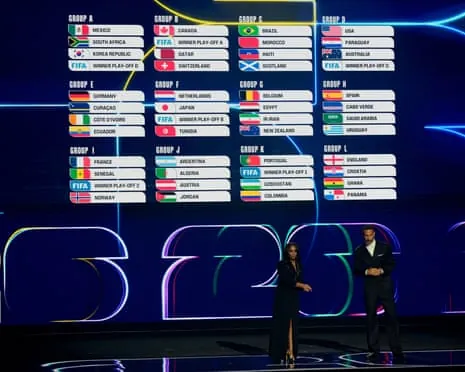
The 2030 World Cup is set to feature one centenary match each in Uruguay, Argentina, and Paraguay to commemorate the 100th anniversary of the inaugural FIFA World Cup.
The analysis of the proposed expansion to 64 teams is required to be delivered by September 11.
Source: timesofindia.indiatimes.com

Ishaan Kapoor
Sports correspondent covering cricket, football and international competitions.