









FIFA plans to sell World Cup commercial rights face strong opposition
 29.07.2026
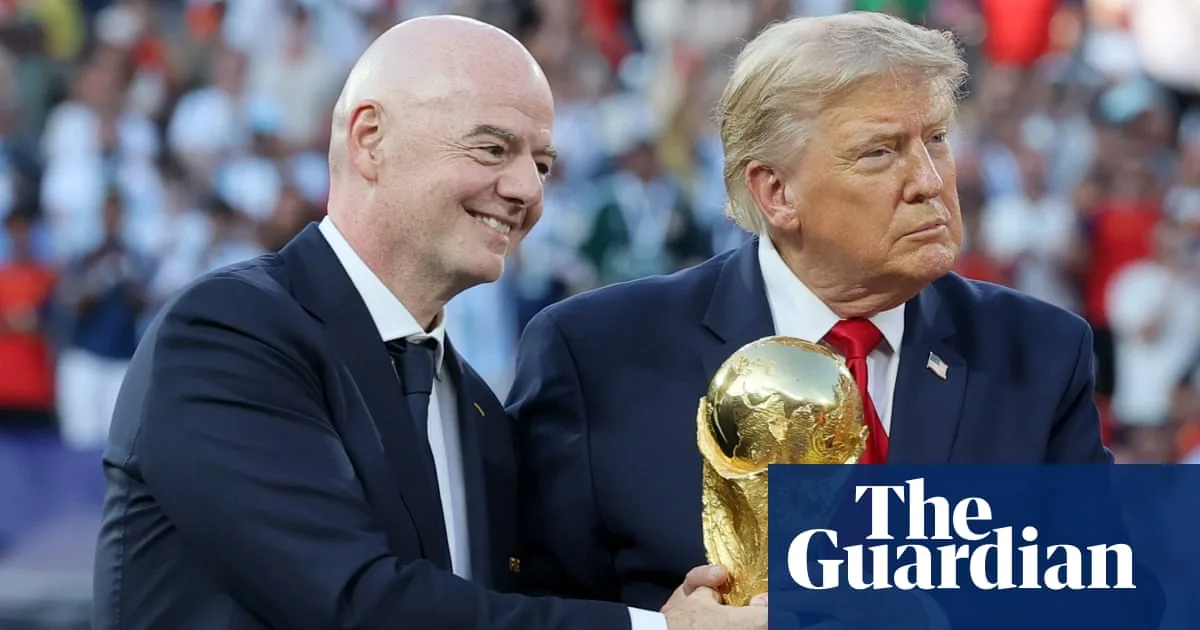
FIFA is moving forward with a plan to sell minority stakes in the commercial rights of its tournaments, including the World Cup, a move that has generated significant criticism from various football governing bodies and political figures. The organisation intends to put the proposal to a vote among its 211 member associations in September.
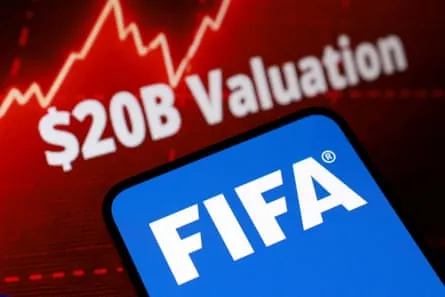
The proposed deal involves establishing a new subsidiary, to be named FIFA Forward Enterprise (FFE), which would manage FIFA’s commercial and event operations. Reports suggest FIFA aims to raise an estimated $4.2 billion in 2026 by selling a 20% minority stake in this new entity, valuing it at approximately $20 billion. Each of FIFA’s 211 member associations would reportedly receive $20 million in funding if the deal is approved, with annual funds to members projected to increase through 2038.
Thrive Eternal, a fund created by Josh Kushner’s Thrive Capital, is set to lead the investor group. FIFA has stated it would remain the primary owner of the new subsidiary, maintaining control over scheduling, governance, and regulatory decisions. The organisation is being advised by bankers from JPMorgan.
Opposition to the Plan
The plan has faced immediate and strong opposition, particularly from UEFA, European football’s governing body. UEFA has accused FIFA of attempting to “sell the soul of football” and has expressed serious concerns about the lack of transparency surrounding the deal. An emergency meeting for UEFA is scheduled to address the matter, with the European confederation reportedly considering a boycott of FIFA events, including the World Cup and the Club World Cup.
Marina Ferrari, the French sports minister, highlighted the importance of European stakeholders speaking with a unified voice on a project that could profoundly transform the sport. UEFA’s statement emphasised that football’s soul and governance are not assets to be traded, especially without transparency regarding financial beneficiaries. The organisation also noted that the prospect of member associations losing the $20 million payment if the deal fails speaks volumes about the plan.
Beyond Europe, other confederations have also voiced their concerns. CONCACAF, which governs football in the Americas, stated it was only informed of the deal through media reports and expressed deep concern over the lack of due process. Similarly, the Asian Football Confederation (AFC) indicated it was not consulted and did not have the opportunity to examine the proposal through established governance channels. The Football Association (FA) in England also expressed unawareness of the proposal and a lack of substantive details, raising concerns about transparency.
Andy Burnham, the UK’s prime minister, also weighed in, asserting that football belongs to the fans and not to investors. He described the World Cup as the greatest competition in world sport, not a product to be sold.
FIFA’s Rationale and Future Considerations
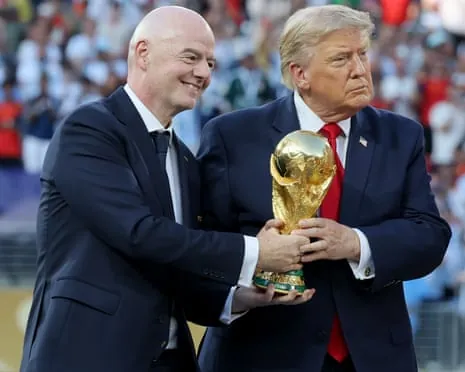
FIFA President Gianni Infantino has stated that the plan aims to make the commercial side of the game operate as a focused business, with its value shared more widely globally. He previously promised to “unleash the commercial potential and opportunity that FIFA has.” The organisation reported revenues exceeding $15 billion from the 2026 World Cup, a significant increase compared to the $7.57 billion from the 2022 World Cup cycle.
Despite the controversy, Infantino is expected to be re-elected unopposed as president next year. However, under FIFA statutes, he must step down in 2031 after serving three full terms. Reports have suggested Infantino might aspire to serve as chair of the new commercial company after his presidential term, a role that could potentially offer substantial financial benefits, though he later stated this idea had never been discussed.
FIFA has insisted that it would retain responsibility for football’s governance and the international match calendar. However, critics fear that inviting private investment in commercial rights could subject decision-makers to external pressures, potentially influencing decisions such as the frequency of the World Cup or its hosting in only the most lucrative markets, such as the US. FIFA has affirmed that it would carefully select long-term investors purchasing minority, non-controlling interests, and that all net benefits from FFE would be reinvested into football worldwide.
The new plan requires approval by a majority of FIFA’s member associations, with a vote expected in September.
Source: forbes.com

Ishaan Kapoor
Sports correspondent covering cricket, football and international competitions.